
Moroccan Salad (Salade Marocaine): A Rainbow Bowl That’ll Change How You Think About Salads

In 2016, we lived in Morocco for two and a half months, where we ate plenty of tagines and couscous. What I wasn’t expecting was the Moroccan Salad or as the Moroccans call it salade marocaine.
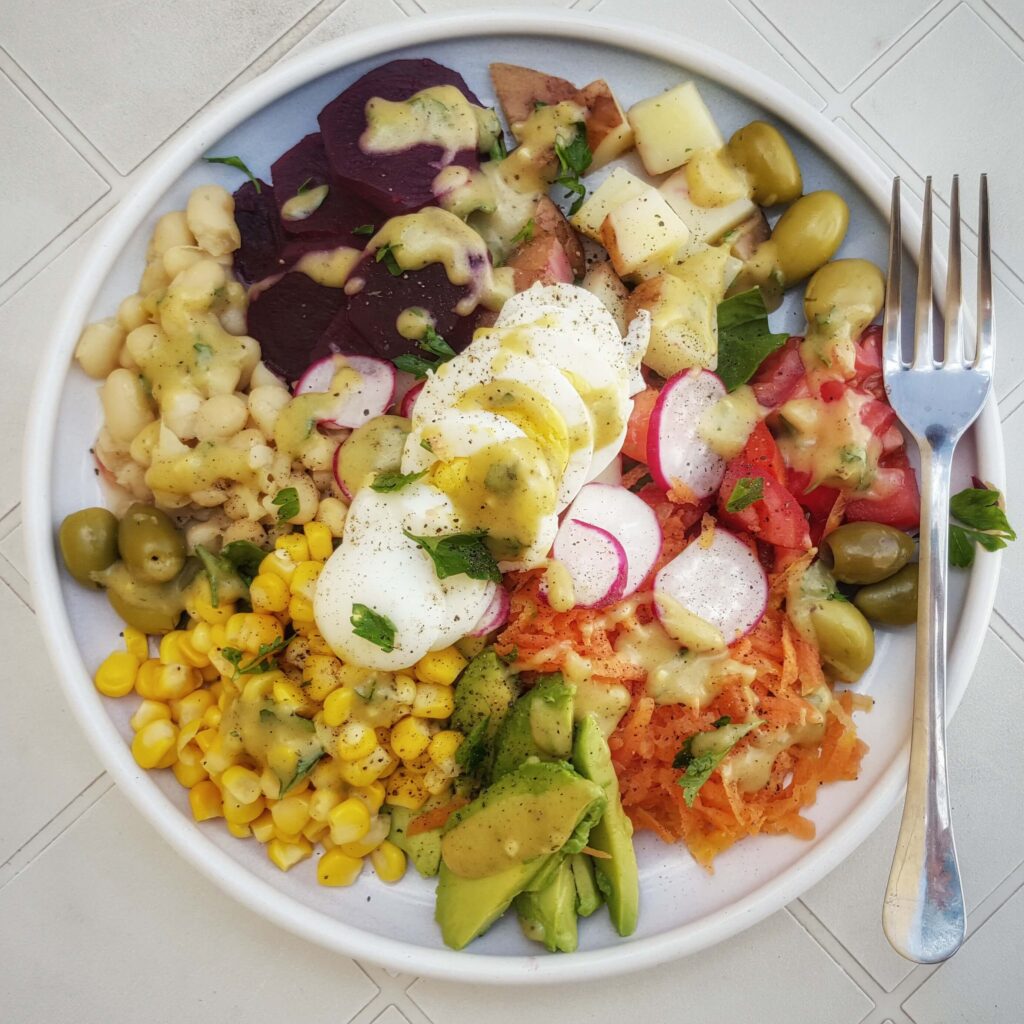
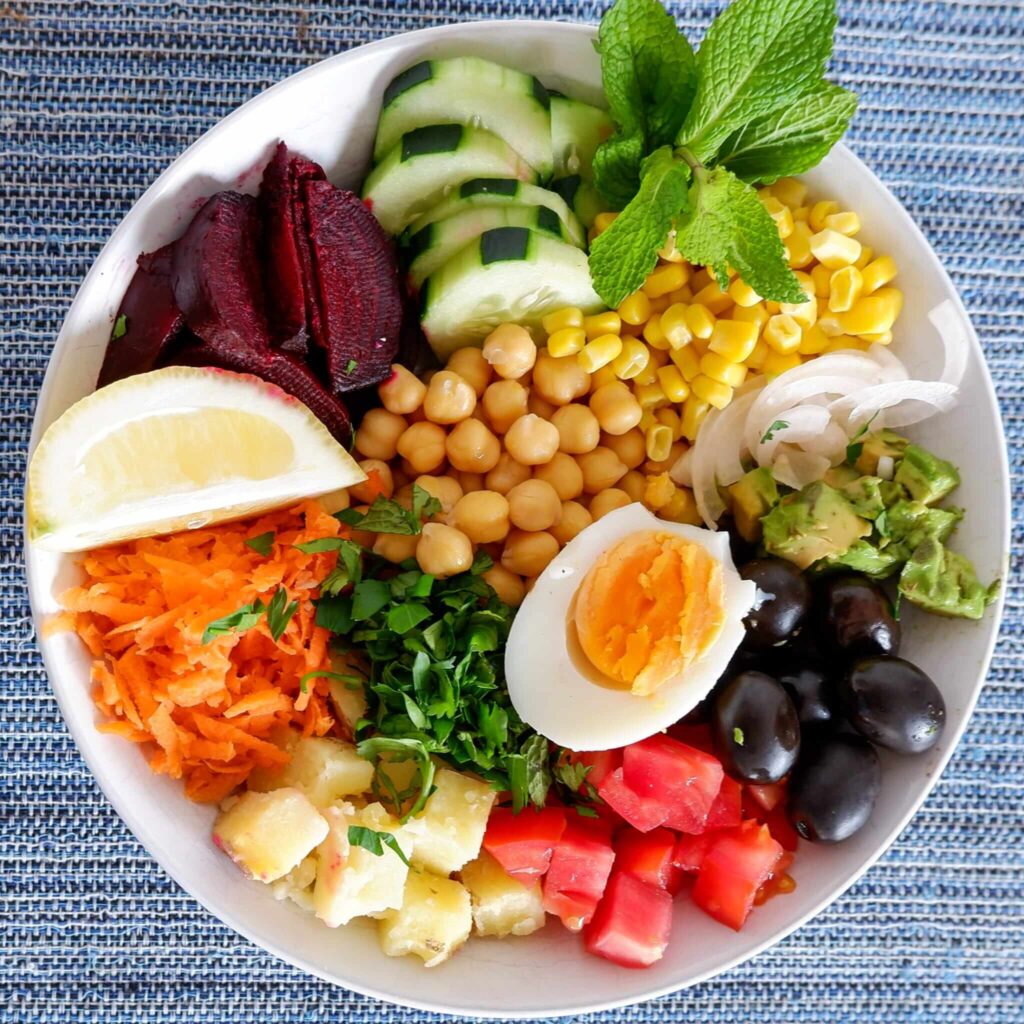
I ordered my first one in one of the malls in Marrakesh, thinking I was just getting a side salad. What showed up was a full, meal-in-a-bowl that was beautifully composed. When the health experts say to eat the rainbow, this is one of those dishes that do exactly that. Eggs, chickpeas, potatoes, beets, avocado, corn, tomatoes, cucumber, carrots, and olives. Dressed with nothing but good olive oil, white vinegar, and a generous squeeze of lemon.
It wasn’t long before we were buying the ingredients at the souk (Moroccan farmer’s market) to make them at home. And now the Moroccan Salad has become one of our go to meal prep dishes for those busy weeks during the summer when you don’t want to cook.
Why Moroccan Salad Is Nothing Like What You Picture
The Moroccan Salad isn’t a bowl of lettuce with dressing. You can get a more traditional salad made of lettuce, topped with tomatoes and onions. But the Moroccan Salad is totally different. It’s a composed plate of vegetables, beans, and olives in a combo of cooked, raw, and pickled, arranged deliberately so every ingredient stars. You eat across the plate, taking a little of this and a little of that. Letting the flavors mix on the fork, rather than tossing together in the bowl.
Every city we visited had its version. The same as the tagines and couscous, a different recipe in every family like the Beef Tagine I learned to make from our AirBnB host Aziz. Every family we ate with had their particular way of making it. What stayed consistent is the olive oil, the lemon, the fresh herbs, and that gorgeous riot of color. Walking into a meal in Morocco and seeing that plate in the middle of the table never got old.
Then again Morocco itself is like that. The colors, the noise, the smell of spices drifting through narrow alleys. A chaotic mix of modern and old. Step inside the Medina walls in any city and you go centuries back in time with donkey carts weaving through crowds of people. On the outside, it’s modern malls, cars, gardens, and architecture.
A Quick Note on Moroccan Food Culture
Morocco has a food culture built around hospitality and generosity at the table. Meals are communal by design. Everyone sharing and eating out of the large tagine bowl, or the multiple small bowls around the table. Silverware is a Western world concept. In Morocco you tear pieces of khobz a Moroccan flat bread that sounds like ‘hobs’ to scoop the food into your mouth. I share a lot more about Moroccan food culture over on my Beef Tagine and Moroccan Green Tea posts.
And so many different types of salads are served as sides with the main course. At least two or three per meal, mostly vegetable dishes, some roasted, or raw, or even pickled. All beautiful in what they add to the meal.
Why This Moroccan Salad Works as a Full Meal
This isn’t one of those salads where you eat it and you’re hungry again an hour later. The protein from eggs and chickpeas together it’s got staying power… not just for people watching their macros. You can eat lunch and not being hungry again by 3pm. Which for me, since perimenopause hit, I’ve learned that protein isn’t optional. This salad delivers it without you having to think too hard about it.
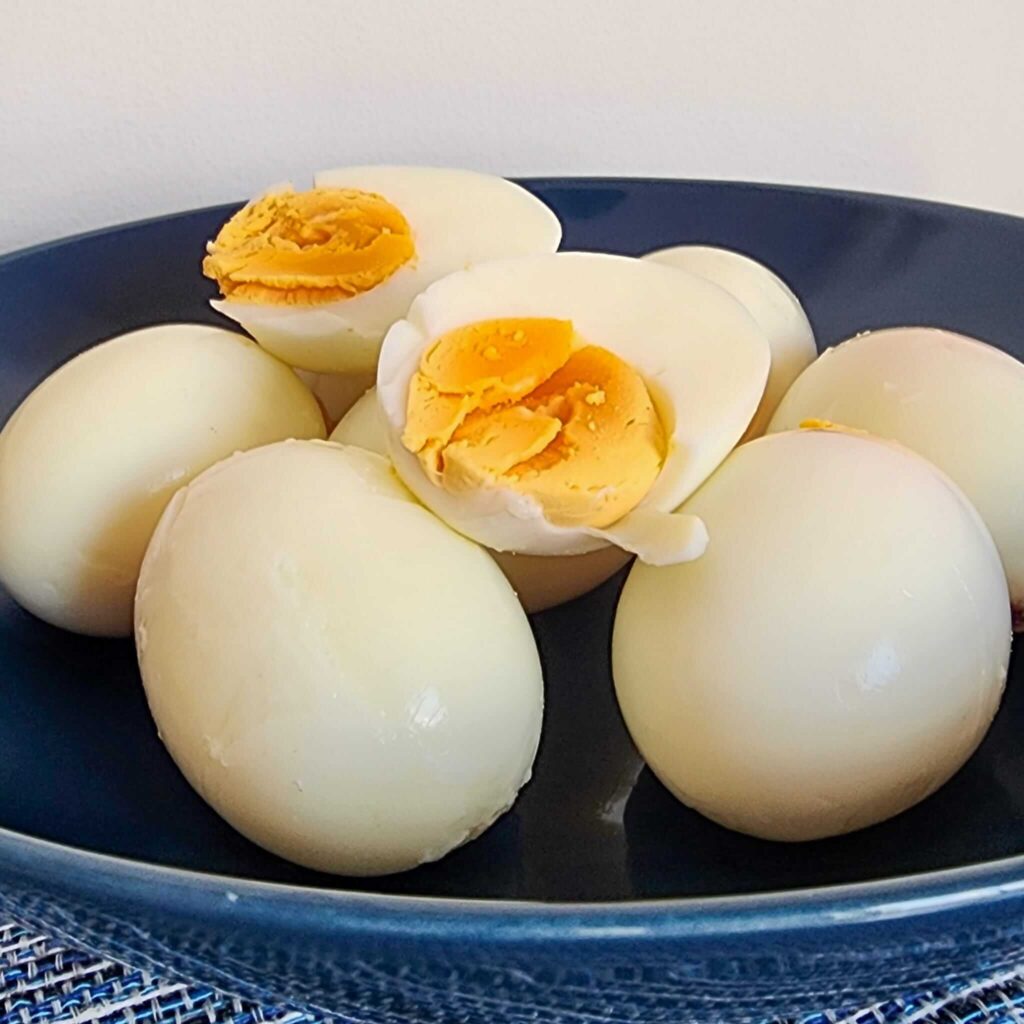
And since we do the meal prep ahead, it’s so easy to make during the week when we on the go working with clients. On the weekends, I make a big batch of hard-boiled eggs (find my guide for making perfectly cooked ones here), small potatoes, and roast the beets. Sometimes I make chickpeas at home, but usually I used canned ones.
During the week, assembling takes about five minutes. Arrange, dress, done. The components keep well separately for four or five days. You just don’t want to dress it in advance… that stays on the plate right before eating. Finish with fresh herbs, like cilantro, mint, or parsley.
Three Ways to Do the Beets
In Morocco, the beets were always boiled… simple, straightforward. At home, I prefer them roasted. Slow-roasted beets at 400°F for 30 minutes to an hour (depends on size), wrapped in foil, are genuinely a different vegetable than boiled ones. Sweeter, denser, almost jammy. Worth the time when you have it. And again can be made ahead. I usually make 4 to 6 at a time so I have enough for both the Moroccan Salad or my Roasted Golden Beet Salad with Dijon Vinaigrette.
Or there’s the third option, which is also delicious… raw. Crunchy, fresh, with bright earthiness. If you’re going to do raw, I highly recommend grating them or slicing very thinly. Large chunks don’t work well for eating them when they are raw because they are very fibrous.
Fair warning though… grating raw beets (or even peeling roasted ones) can leave your hands and the cutting board looking like a crime scene. I do several at once, and keep them in a bowl in the fridge to make the mess one time. All three versions, roasted, boiled, or raw, work beautifully in this salad.
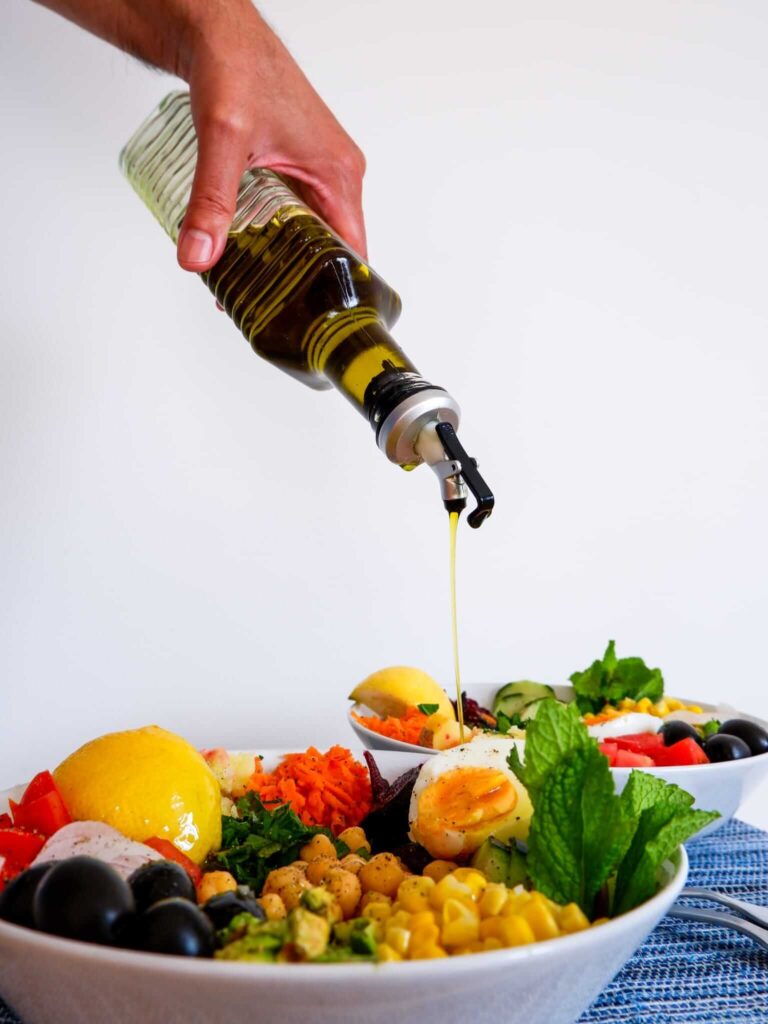
The Dressing Is Deceptively Simple
Olive oil, white vinegar, lemon, salt, pepper. That’s it.
It just amplifies the combination of ingredients. The white vinegar bringing a tangy goodness that sets off the sweet beets and creamy avocado. And the olive oil… always use a good one… adds more richness, tying it all together.
Moroccan olive oil has this slightly musky, sharp edge when compared to Italian, Spanish, Portuguese, or even Californian. But this salad works with which ever one is your favorite. One thing not to do here is to substitute balsamic vinegar here. Balsamic muddies the fresh flavors.
Btw, I know many of the traditional Moroccan salad recipes online don’t list corn or avocado in them. but every single one we ate in Morocco, multiple cities, in both restaurants and homes served it with. So, I keep it that way.
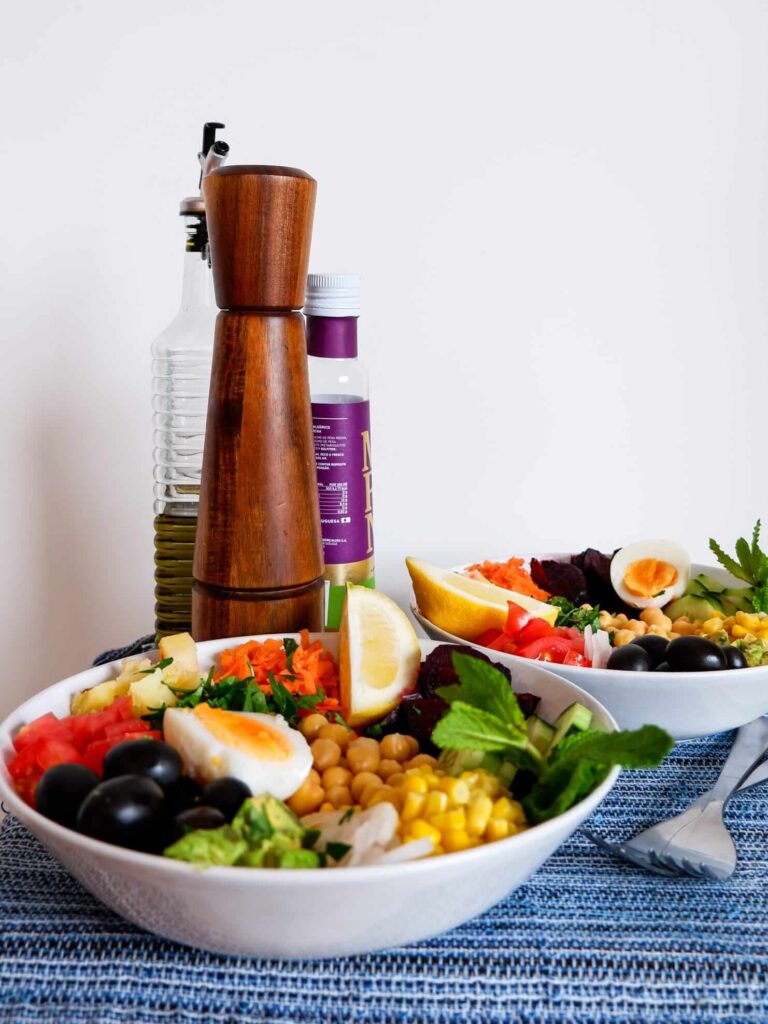
Substitutions and Variations of the Moroccan Salad
As written, this is a single-serving bowl, but I’m usually making it for two. Just double everything and use a larger plate or two individual plates arranged side by side. Part of the pleasure is the arrangement, it’s worth doing it properly even when it’s just the two of us at home.
While I highly recommend not skipping the egg, if you leave it out, you can make the dish vegan. Add some extra chickpeas, or a small spoonful of humus to bring the creaminess the egg gives it back in.
It’s totally a vegetarian dish, but if you want to add meat, grilled chicken breast, white fish, or tuna will pair well.
And then depending on the season, swap out or add veggies like zucchini in the summer. Or I like the small colorful sweet Italian peppers. Roasted red peppers and sun dried tomatoes are nice. It’s also nice with lettuce if you’re looking for more leafy greens in your diet.
If you want cheese, use ones like feta or crumbly goat cheese. They are good with this combo, but it really doesn’t need them. It’s complete on it’s own.
Finally on the fresh herbs, my favorite combo is the cilantro and mint together. But it’s good with basil, parsley, oregano, or thyme.
Finishing Touches
And don’t forget to have a crusty bread on the side to finish up at the end sopping up the pool of olive oil, vinegar, and juices from all the veggies. Sooo, good and one of the not miss joys of life.
Now tell me — have you ever had a composed salad like this, where everything stays in its own little section on the plate? And are you a cilantro person or would you be reaching for the parsley? Drop it in the comments, I’m always curious where people land on the great cilantro divide.
Recommended Ingredients & Tools for Moroccan Salad
Here’s what makes this come together beautifully:
Ingredients
- Quality Extra Virgin Olive Oil — The olive oil is the dressing here, so it has to be good. A Portuguese, Spanish, or Italian extra virgin with real character makes a noticeable difference. This is one of those places where the quality of the ingredient is the recipe.
- Canned Chickpeas — Canned is completely fine and what I use on weekdays. Look for low-sodium or no-salt-added so you can control the seasoning yourself. Drain well and give them a rinse before using.
- Quality Olives — Green or black, pitted or unpitted. Either works. The Moroccans traditionally serve them unpitted, which I’m fine with, but pitted are easier for everyday eating. Use what you enjoy — just make sure they have actual flavor and aren’t just salty.
Tools
- Small Roasting Pan or Baking Sheet — For roasting the beets. Wrap each beet in foil and roast directly on the pan. Easy, no mess.
- Airtight Glass Containers — For storing batch-prepped components separately in the fridge. Glass is best here because it doesn’t absorb beet color and stacks well for meal prep.
- Salad Serving Bowls — This salad deserves a proper bowl with a little room to arrange things. Personally, I prefer pasta bowls for this. They allow space to arrange everything into the rainbow effect side by side and looks beautiful on the table.
We are a participant in the Amazon Services LLC Associates Program, an affiliate advertising program designed to provide a means for us to earn fees by linking to Amazon.com and affiliated sites. These links and other affiliate links like them do not cost you any extra when shopping but they do help us fund the creation of this site and publications.
Frequently Asked Questions About Moroccan Salad
- Is this a traditional Moroccan salad? It’s inspired by the composed salad bowls Heidi ate throughout 2.5 months of living in Morocco… a full-meal version of the vegetable plates commonly served before or alongside main dishes. The core flavors and approach (olive oil, lemon, white vinegar, cilantro, composed rather than tossed) are rooted in what she experienced there. Think of it as a Moroccan-inspired meal salad rather than a single specific regional recipe.
- Can I make this salad ahead of time? Yes — with one rule. Prep all the components (roast the beets, boil the potatoes and eggs, open the chickpeas) and store them separately in the fridge for up to 4–5 days. Assemble and dress right before eating. Pre-dressing turns the avocado brown and makes everything soggy.
- What can I substitute for the beets? Roasted red pepper is the closest swap for color and sweetness. Roasted zucchini or sweet Italian peppers both work beautifully. If you’re not a beet person, just leave them out — the salad is still wonderful without them.
- Can I use canned corn? Absolutely. Canned corn, frozen corn thawed at room temperature, or fresh summer corn cut off the cob all work. Fresh is wonderful when corn is in season, but this is not a recipe that requires it.
- What kind of vinegar should I use? White vinegar is traditional and what Heidi uses. Red wine vinegar is a good substitute with a slightly more mellow flavor. Avoid balsamic — it’s too sweet and assertive and will dominate the whole plate.
- Is this salad high in protein? Yes, genuinely. The combination of two hard-boiled eggs (roughly 12g of protein) plus half a cup of chickpeas (about 7g) gives you close to 20 grams of protein in a single salad — plus fiber, healthy fats from avocado and olive oil, and a full range of vegetables. It’s one of those meals that’s good for you without needing to announce it.
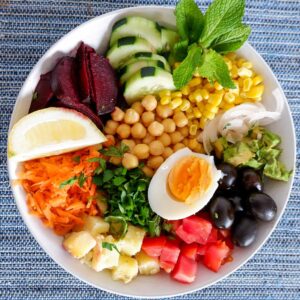
Moroccan Salad — A Rainbow Bowl

Ingredients
- 1-2 large hard boiled eggs halved
- 2-3 small boiled potatoes diced
- ½ cup cooked chickpeas drained and rinsed
- ½ cup beets roasted or boiled and diced or sliced
- ½ cup cooked corn drained
- ½ cup cucumber sliced or diced
- ½ cup cherry tomatoes halved (or regular tomatoes, chopped)
- ½ cup carrots grated
- ½ small avocado sliced
- ¼ cup olives green or black, pitted or unpitted (about 6–8 olives)
- 2 tablespoons red onion thinly sliced
To dress:
- 1-2 tbsp olive oil
- 1-2 tbsp white vinegar red wine vinegar also works
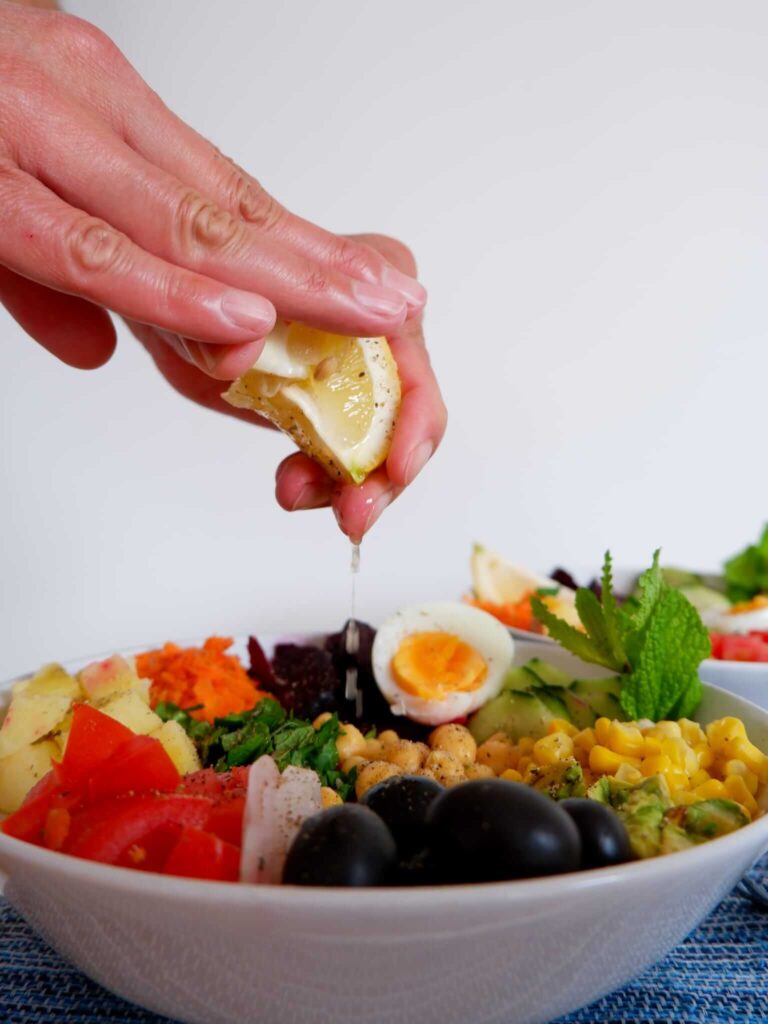
- Squeeze of fresh lemon generous
- Salt and pepper to taste
To finish:
- Fresh cilantro roughly chopped
- Fresh mint optional (a small amount)
- Fresh parsley optional
Instructions
Batch Prep the Veggies
- Prepare beets, potatoes, and eggs on the weekend. Check the notes for prep instructions. Find my recipe for my tips for perfectly cooked hard boiled eggs here.
- Store separately in the fridge. Assemble to order throughout the week. Do not dress in advance.
Putting The Salad Together
- Arrange all ingredients on a plate in sections, working your way around the plate to create that rainbow effect — potatoes, chickpeas, beets, corn, cucumber, tomatoes, avocado, olives, red onion, and grated carrots.
- Place the halved eggs on top — at least one egg, sliced in half, is non-negotiable here.
- Drizzle generously with olive oil and white vinegar. Squeeze lemon over the whole plate.
- Season with salt and pepper. Scatter fresh cilantro (and mint and/or parsley if using) over the top.
- Serve immediately with crusty bread on the side for sopping up the juices.